Exploring the Women Wholesale Clothing Market in Delhi Trends Suppliers Tips and Benefits for Retailers
- sumitpaul763
- Jan 5
- 3 min read
The women’s wholesale clothing market in Delhi stands as one of the most dynamic and diverse hubs in India’s fashion industry. For retailers and entrepreneurs, understanding this market can unlock opportunities to offer trendy, affordable, and high-quality apparel to customers. This post explores the latest trends, key suppliers, practical sourcing tips, and the benefits of buying wholesale in Delhi’s women’s clothing sector.
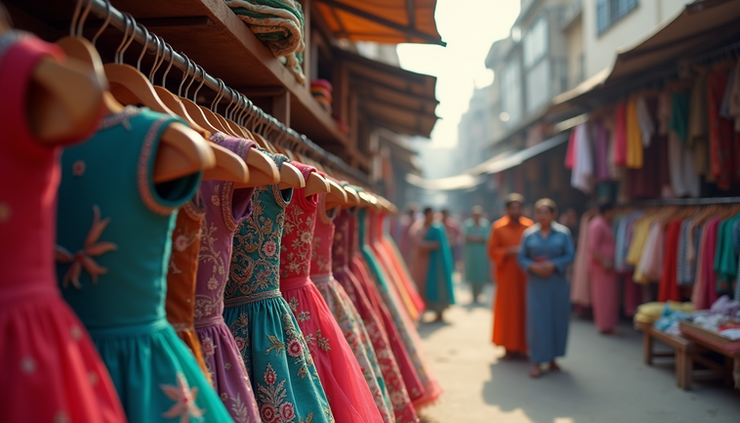
Latest Trends in Women’s Wholesale Clothing in Delhi
Delhi’s wholesale market reflects the evolving tastes of Indian women, blending traditional styles with modern fashion. Here are some trends currently shaping demand:
Fusion Wear: Combining ethnic and western elements, fusion wear like kurti dresses with jeans or palazzo pants is highly popular. These pieces appeal to young professionals and college students seeking comfort and style.
Sustainable Fabrics: There is growing interest in organic cotton, linen, and handloom fabrics. Retailers who stock eco-friendly options attract environmentally conscious buyers.
Bold Prints and Embroidery: Floral prints, geometric patterns, and intricate threadwork remain in demand. Embroidered kurtas and sarees with mirror work or zari detailing are staples.
Comfort-Driven Styles: Loose silhouettes such as A-line kurtas, wide-legged pants, and flowy skirts are preferred for everyday wear.
Seasonal Collections: Lightweight fabrics and pastel shades dominate summer collections, while wool blends and darker hues are popular in winter.
Retailers should keep an eye on fashion weeks and local designer collaborations to spot emerging trends early.
Key Suppliers and Their Unique Offerings
Delhi’s wholesale clothing market is centered around areas like Chandni Chowk, Karol Bagh, and Lajpat Nagar. Each supplier cluster offers distinct advantages:
Chandni Chowk: Known for traditional ethnic wear, this area houses suppliers specializing in sarees, lehengas, and embroidered suits. Many vendors offer hand-embroidered and handcrafted pieces that appeal to bridal and festive markets.
Karol Bagh: This market caters to a mix of ethnic and western wear. Suppliers here provide trendy kurtis, dresses, and casual wear at competitive prices. The variety ranges from machine-made to semi-handcrafted garments.
Lajpat Nagar: Popular for ready-to-wear collections, Lajpat Nagar suppliers focus on affordable fashion with quick turnover. They stock seasonal collections and fusion wear targeting young consumers.
Local Manufacturers: Some suppliers operate their own manufacturing units in and around Delhi, offering customization and bulk order discounts. These suppliers often provide exclusive designs not found elsewhere.
When choosing suppliers, retailers should consider product quality, delivery timelines, and the ability to provide samples.
Practical Tips for New Retailers on Sourcing Quality Products
Entering the wholesale clothing market can be overwhelming. Here are some tips to help new retailers source quality products effectively:
Visit Markets in Person: Nothing beats seeing the fabric, stitching, and finish firsthand. Plan multiple visits to different markets to compare options.
Request Samples: Always ask for samples before placing bulk orders. This helps verify quality and fabric feel.
Build Relationships: Establishing trust with suppliers can lead to better prices, priority on new designs, and flexible payment terms.
Check for Certifications: For sustainable or organic fabrics, verify certifications to ensure authenticity.
Negotiate Wisely: Start with a reasonable offer and be polite but firm. Suppliers expect negotiation, so prepare by researching typical price ranges.
Order in Small Batches Initially: This reduces risk and allows you to test customer response before committing to large inventory.
Stay Updated on Trends: Regularly visit fashion shows, exhibitions, and online portals to keep your product mix fresh.
Effective Negotiation Strategies
Negotiation is key to success in wholesale buying. Here are strategies that help retailers get the best deals:
Understand Supplier Costs: Knowing the approximate cost of materials and labor helps set realistic price expectations.
Leverage Volume: Larger orders usually attract discounts. Combine orders with other retailers if possible.
Be Clear About Payment Terms: Some suppliers offer better rates for upfront payments, while others allow credit. Choose what suits your cash flow.
Ask for Added Value: Request free samples, promotional materials, or flexible return policies.
Build Long-Term Partnerships: Repeat business often results in better pricing and exclusive access to new collections.
Stay Professional and Respectful: A positive attitude encourages suppliers to accommodate your needs.
Benefits of Buying Wholesale in Delhi
Buying wholesale in Delhi offers several advantages for retailers:
Cost Savings: Wholesale prices are significantly lower than retail, allowing higher profit margins.
Wide Variety: Delhi’s markets offer an extensive range of styles, fabrics, and designs under one roof.
Access to Exclusive Designs: Many suppliers provide unique pieces not available in mainstream retail stores.
Flexibility in Orders: Retailers can order according to their budget and customer preferences.
Quick Restocking: Proximity to suppliers enables faster replenishment of inventory.
Opportunity to Customize: Some suppliers offer tailoring and customization services for bulk orders.
By tapping into Delhi’s wholesale market, retailers can build a competitive edge with diverse and affordable inventory.


Comments